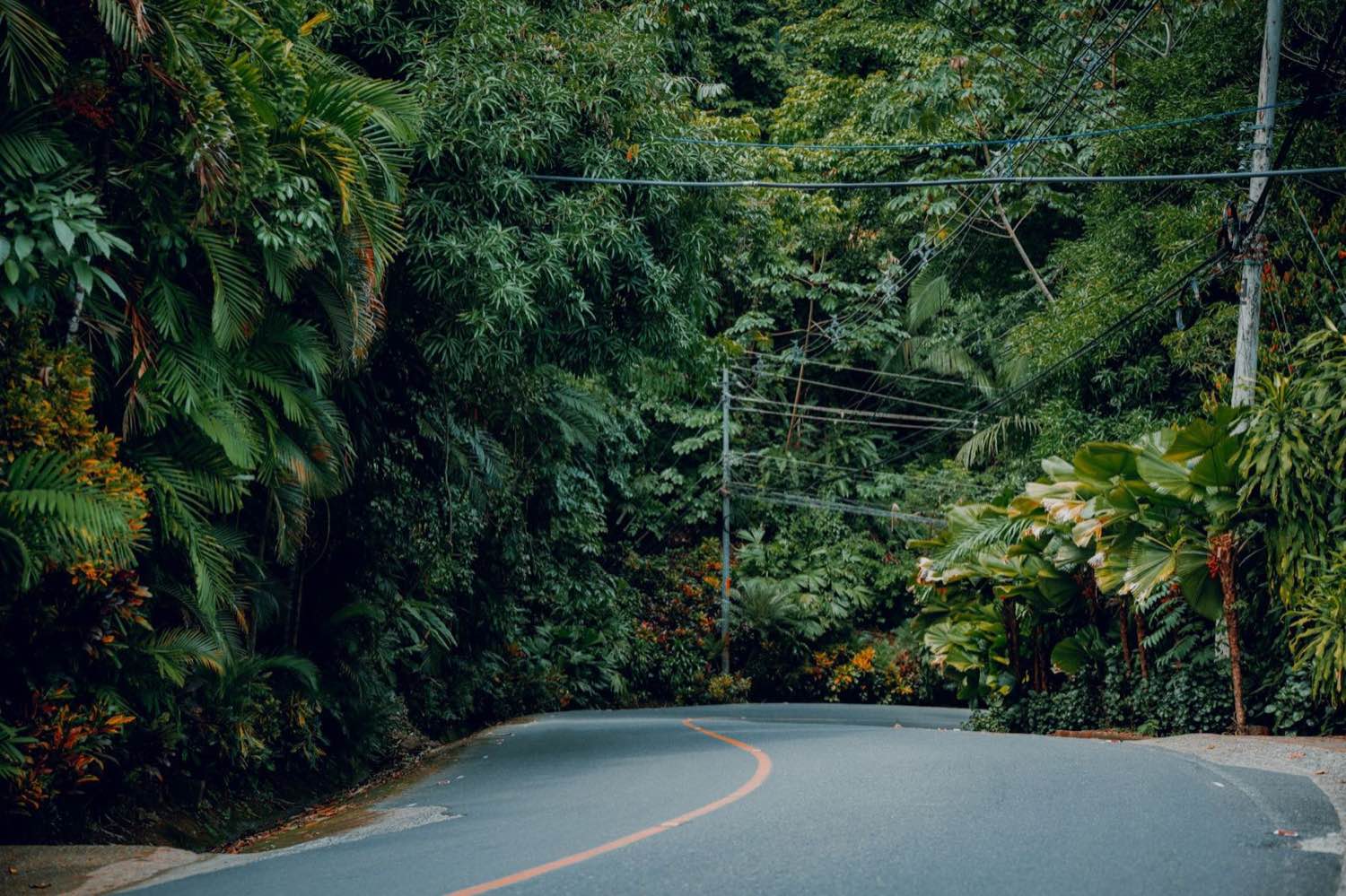
I've lived in Costa Rica my whole life and I run a shuttle company, which means I pick up tourists at the airport almost every day. After thousands of pickups, I can guess what's in someone's suitcase by the time we hit the highway — and I can also guess what they forgot.
This is the packing list I actually send to friends who ask. It's not the Pinterest version with 47 items. It's the real version: what you need, what you'll regret bringing, and what nobody tells you to pack.
Start here: when are you coming?
Costa Rica has two seasons:
- Dry season (December–April): Sunny, warm, almost no rain on the Pacific side. Pack for beach + hike. You don't need rain gear in Guanacaste in February.
- Green/rainy season (May–November): Sunny mornings, afternoon thunderstorms (usually 2–5 PM, then clears), occasional all-day rain in September and October. Pack lighter quick-dry clothing and a real rain layer.
Some items below get a "🌧️ rainy" or "☀️ dry" tag — most things you need either way.
Clothing
The biggest mistake: overpacking. Costa Rica has laundry everywhere, hotels do same-day wash for ~$10–15, and you'll wear the same shorts five days in a row. Pack light.
For a 7–10 day trip:
- 4–5 quick-dry T-shirts. Cotton stays damp for hours in the humidity — bring polyester/merino blends instead.
- 2 pairs of shorts. Quick-dry, lightweight. One for activities, one for nicer evenings.
- 1 pair of long lightweight pants. Critical for night (mosquitos), cool mornings in cloud forest (Monteverde, San Gerardo), and chilly bus rides with overactive AC.
- 1 long-sleeve sun shirt (UPF 30+). Saves you from constant sunscreen reapplication on boats and during long hikes. The locals all wear them.
- 3 swimsuits. They take 24 hours to dry in humid weather, so rotate. One is never enough.
- 1 light rain jacket. 🌧️ Mandatory rainy season. Optional dry season (the cloud forest is wet year-round). A cheap packable one is fine — don't bring Gore-Tex.
- 1 fleece or hoodie. Monteverde is 12°C (54°F) at night. La Fortuna and the Central Valley are cool too. Don't skip this thinking "tropical means hot."
- Underwear and socks for 5–7 days. Same logic as shirts.
- 1 nicer outfit. For a night out in Tamarindo, Manuel Antonio, or San José.
- Pajamas/sleepwear — many hotels have AC that runs cold.
Footwear
Three pairs covers everything:
- Flip-flops for beach, pool, and hotel walking. Havaianas, Reef, whatever.
- Trail-running shoes or hiking shoes. You'll walk on muddy trails, wet rocks, and uneven cobblestone. No need for heavy boots — light grippy shoes are perfect.
- Water shoes (or old sneakers you don't mind ruining). For waterfall hikes, river tubing, the Río Celeste muddy trail in rainy season, and rocky beach entrances. This is the most-forgotten item. Anything from $15 closed-toe water shoes to Tevas works.
What to skip: hiking boots (overkill), running shoes (they'll get wrecked), dress shoes (nobody wears them anywhere).
Tech and electronics
- Phone + charger. Obviously.
- Power adapter: Costa Rica uses the same outlets as the US/Canada (Type A/B, 120V). No adapter needed if you're from North America. Europeans, Brits, Australians — bring one.
- Power bank. Long shuttle days, boat days, hike days — you'll run your phone flat using Google Maps and the camera.
- Cheap headlamp or small flashlight. Power goes out occasionally in the rainy season. Useful for early-morning hikes (Arenal sunrise) and nighttime walks where there's no streetlight.
- Universal waterproof phone pouch. $10 on Amazon. Saves you from one rain shower or one boat ride.
- GoPro or action cam (optional) if you're doing waterfalls, rafting, ziplines, or snorkeling.
- Camera with zoom if you're a wildlife person. Most monkey/sloth photos with a phone end up disappointing.
- eSIM or local SIM. I recommend an eSIM (Airalo, Holafly) — works the second you land. Or buy a Kölbi SIM for ~$10 at the airport.
Toiletries
You can buy almost anything in Costa Rica (we have major pharmacy chains everywhere), but a few things are expensive or hard to find:
- Reef-safe sunscreen. Critical. Hawaiian Tropic, Banana Boat, etc. all contain oxybenzone, which is illegal to wear on coral reefs in many parts of the country. Even where it's not illegal, it kills the reef at Cahuita and bleaches the corals at Caño Island. Brands I've used: Stream2Sea, Sun Bum Mineral, Thinksport, Badger. Mineral (zinc oxide) is the safest bet. Bring more than you think — 8 oz minimum for a 10-day trip.
- Insect repellent. Picaridin 20% or DEET 25-30% both work. Picaridin is better for kids and doesn't melt watch straps and sunglasses. Sawyer makes a good picaridin spray. Skip natural citronella products — mosquitos here laugh at them. You only need repellent in the jungle and at dusk; beaches in dry season barely have mosquitos.
- Aloe / after-sun. You'll get burned. Everyone does. Even cloudy days.
- Anti-itch cream — bites do happen.
- Toothbrush, toothpaste, contact stuff as usual.
- Sunglasses + a backup pair. I lose one pair per trip in the ocean. Cheap ones are fine.
- Wide-brim hat or a cap. Sun is intense even at 8 AM here.
- Lip balm with SPF. Easy to forget. Painful to skip.
Medical / first aid
- Imodium or equivalent. Not because the food is bad — it isn't — but because changing diets always changes digestion. Bring at least 4 doses.
- Pepto-Bismol chewables. Same logic.
- Ibuprofen and acetaminophen. They sell these here but bringing a small bottle saves a pharmacy run.
- Band-aids and blister bandages. Hiking, water shoes, all of it.
- Antibiotic ointment (Neosporin or similar). Cuts in the tropics get infected fast.
- Any prescription medication in original containers. Bring more than the trip length in case of delays.
- Motion sickness pills (Dramamine, Bonine) if anyone is sensitive — the road from San José to La Fortuna and especially from La Fortuna to Monteverde is winding. Read more in our La Fortuna to Monteverde guide.
- A small electrolyte powder pack. Liquid I.V., LMNT, or local Suero — useful after a hot hike or a stomach upset.
The under-mentioned essentials
These are the items that separate someone who Googled "Costa Rica packing list" from someone who's actually been:
- A good dry bag (10–20 liters). $20–30 on Amazon. Waterproofs your phone, camera, wallet, and passport on river trips, kayak trips, boat rides between Arenal and Monteverde, and on rainy days. This is the single most useful item you'll bring.
- A small dry sack (5L) for inside your hiking daypack — keeps electronics safe when it suddenly downpours.
- Reusable water bottle. Costa Rica's tap water is safe to drink in 95% of the country (San José, La Fortuna, Manuel Antonio, Tamarindo, Monteverde — all fine). Refill instead of buying plastic. Hot tip: Cahuita and parts of the Caribbean coast occasionally have water issues — ask your hotel.
- A small daypack (15–20L). Anything bigger is overkill for day trips.
- Microfiber travel towel. Tiny, dries fast. Useful for surprise swims and beach-to-shuttle transitions.
- Cash in small bills. Bring $200–300 in USD in 1s, 5s, 10s, and 20s — you'll tip drivers, guides, hotel porters, and pay small entry fees. Big bills (50s and 100s) are sometimes refused at small businesses.
- A photocopy of your passport + a digital copy on your phone. You'll show it at car rentals, banks, and hotels.
If you're traveling with kids
Everything above applies, plus:
- Reef-safe sunscreen, kid formula. SPF 50+, mineral. Reapply every 90 minutes at the beach. Don't trust waterproof claims.
- A rash guard / UPF swim shirt per kid. Saves you 70% of sunscreen reapplication arguments.
- Sun hats. Easy to forget — easier to regret.
- Snacks they recognize. Granola bars, peanut butter packets, fruit pouches. Costa Rican supermarkets stock most things but sometimes you just need the snack they know from home.
- A small first-aid kit with kid-dose acetaminophen.
- Earplugs / sound machine for noisy hotels.
- Tablet + downloaded shows for long shuttle drives. Three hours of car time is brutal without screens.
- Don't bring a car seat from home — we provide them free with every private shuttle, and lugging one through an airport is misery. For more on traveling here with kids, see our family travel guide.
What NOT to bring
This is the more important list, honestly. Skip:
- Heavy hiking boots. Trail runners or grippy sneakers are better in mud.
- A lot of jewelry. It's not a fashion destination. Less to lose.
- Dressy clothes. Even San José restaurants are casual. Nice shorts + collared shirt is "fancy" here.
- Beach towels. Every hotel provides them.
- Hairdryer. Hotels have them. They'll work less well in humidity anyway.
- A bunch of cash converted to colones. You can use USD almost everywhere, and ATMs (in colones or USD) are everywhere. Just bring USD; convert if you have leftovers at the end.
- A drone — unless you've researched the rules. Most national parks ban them.
- Aerosol bug spray — TSA will give you a hard time. Buy a pump spray here for ~$8.
- A rental car for a 7-day trip. Most people don't need one. Read our no-rental-car guide for the math.
Sample 7-day packing list (carry-on only)
This works for 95% of travelers. I've done it with my own family multiple times.
- 5 T-shirts, 2 shorts, 1 long pants, 1 fleece, 1 rain jacket
- 3 swimsuits, 5 underwear, 5 socks
- 1 flip flops, 1 trail runners, 1 water shoes
- 1 dry bag, 1 daypack
- Toiletries: reef-safe SPF, picaridin, after-sun, basic first aid
- Tech: phone, charger, power bank, headlamp, e-reader
- Documents + USD cash
Done. Pack it Friday night, fly Saturday.
Final thoughts
The packing-list industry wants you to bring 40 items. The reality is: shorts, swimsuit, a rain layer, water shoes, reef-safe SPF, picaridin, and a dry bag. Everything else is fine-tuning.
If your trip is a beach-and-volcano combo (the most common — Liberia → Tamarindo → La Fortuna → SJO), the gear above covers everything. Add a fleece if Monteverde is in the mix.
And remember: you don't need to rent a car for most Costa Rica trips. Private shuttles handle the inter-city driving so you can focus on the trip itself. See our shuttle cost breakdown for the comparison.
FAQ
Do I need a rain jacket in dry season? Only if you're going to Monteverde or any cloud forest — those are wet year-round. For Pacific beaches in dry season, a rain jacket is dead weight.
Can I drink the tap water in Costa Rica? Yes in 95% of places. San José, Central Valley, La Fortuna, Manuel Antonio, Tamarindo, Liberia — all safe. Some parts of the Caribbean coast (Cahuita, Puerto Viejo) and some remote rural areas — ask your hotel.
Do I need malaria pills? No. Malaria is essentially nonexistent in the tourist zones. Dengue exists at low levels — bug spray, especially at dusk in rainy season, is your real defense.
What about Zika? Costa Rica has low Zika risk. CDC guidance changes; check current recommendations if you're pregnant or trying to be. For everyone else, picaridin is sufficient.
Do I need a converter for outlets? North Americans: no, same plugs and voltage (120V). Europeans, Brits, Australians: yes, bring a Type A/B adapter.
Will my US/Canadian phone work? Yes — most carriers have free or cheap roaming. Or buy a Kölbi SIM at the airport for ~$10 or use an eSIM like Airalo before you land.
Is it safe to bring a laptop? Yes, but use the hotel safe and don't flash it in public. Pickpocketing exists in San José and at some bus stations, but laptop theft from tourists is rare.
How much cash should I bring? $200–300 USD in small bills for a 7-day trip is plenty. Cards work everywhere except small sodas and farmer's markets. ATMs are everywhere.
If you've packed light because you're not renting a car, perfect — that's the smart move. We handle the driving so you don't have to.