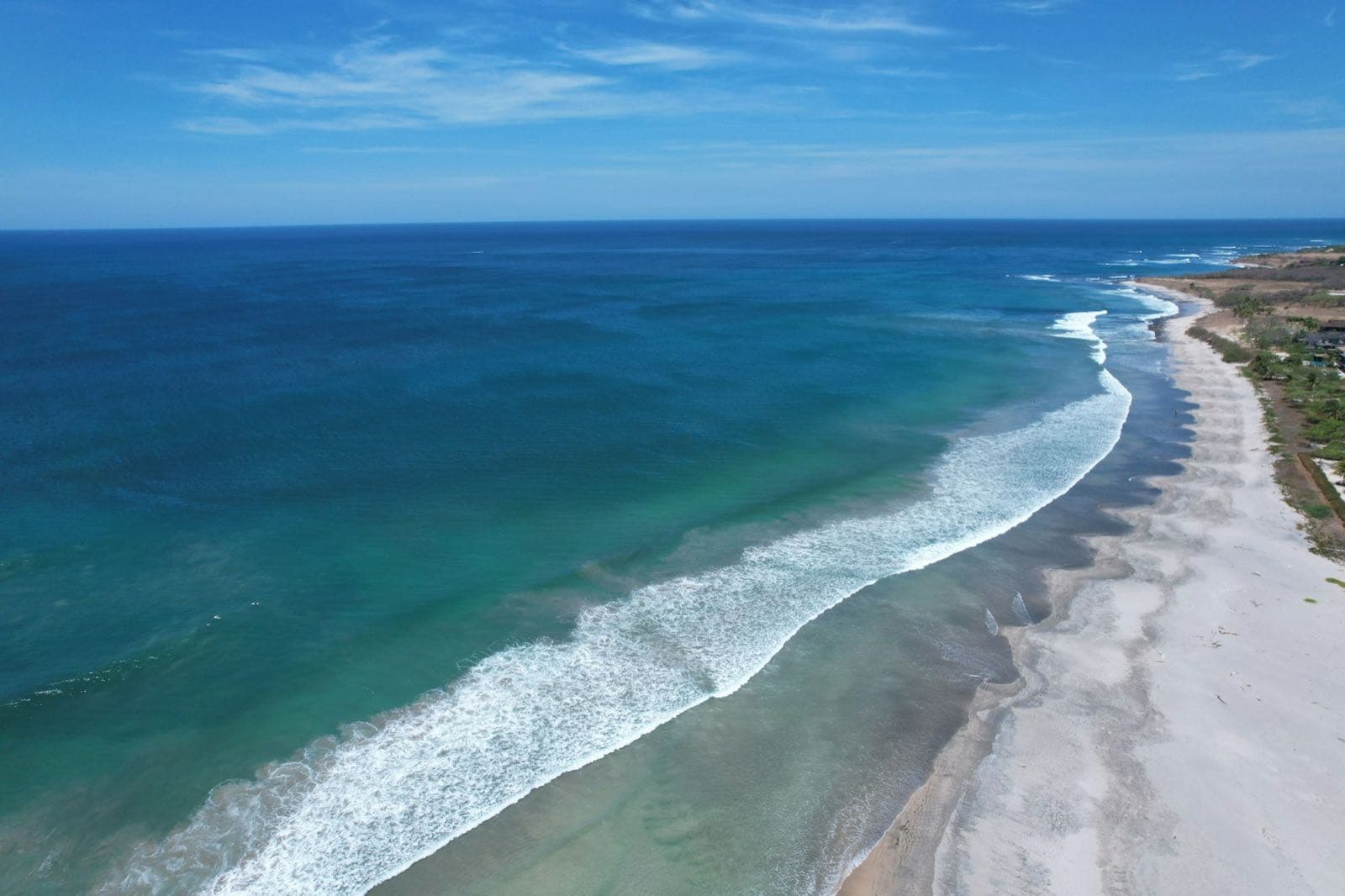
I live in La Fortuna, which is inland — but I drive guests to the coast almost every day of the week. Tamarindo on Monday, Manuel Antonio on Tuesday, Puerto Viejo on Thursday. After enough trips, you start to see which beaches actually deliver and which are just famous on Instagram.
This guide ranks 12 beaches in Costa Rica I'd send a friend to, grouped by region so you can plan a realistic trip. For each one I'll tell you the vibe, whether you can actually swim, if it's kid-friendly, the best months, and how to get there from the nearest airport.
A quick orientation: Costa Rica has two coasts. The Pacific runs the entire west side — that's where 90% of the famous beaches are, and where most of our shuttle traffic goes. The Caribbean runs the east side (Limón province) and feels like a completely different country: reggae, coconut rice, calmer crowds, browner sand, warmer water.
Pacific Coast — Guanacaste (the dry northwest)
Guanacaste is the driest part of Costa Rica. December through April is essentially guaranteed sun. Water is warm, beaches are wide, sunsets are postcard-grade. The downside: it's the most developed coast, and the busiest. You fly into Liberia (LIR) for this region.
1. Playa Conchal
The famous "shell beach" — the sand is literally crushed seashells instead of grains, so it sparkles. Turquoise water, the closest thing in the country to a Caribbean look but on the Pacific side.
- Vibe: Resort-y but the beach itself is public. Most of the shoreline is calm.
- Swim safety: Good. Gentle waves, no major rip currents on the south end. Snorkeling is decent at the north rocks.
- Kid-friendly: Yes — one of the best in Costa Rica for small kids.
- Best time: December–April for guaranteed sun, July for a green-season window.
- How to get there: ~1h from Liberia airport. We have direct shuttles from LIR to Conchal for $135 per vehicle. Coming from San José instead is a much longer day — SJO to Conchal is about 5 hours — so fly into LIR if Conchal is your main stop.
2. Playa Tamarindo
The most famous beach town in Costa Rica. Wide golden sand, reliable surf, walkable downtown packed with restaurants and bars. It's busy — that's the trade-off — but it's busy because the beach itself is genuinely great.
- Vibe: Surf-town meets spring break. Lively day and night.
- Swim safety: Good in the middle of the bay, riptides at the north end near the river mouth. Don't swim there.
- Kid-friendly: Yes — surf schools take kids as young as 6.
- Best time: December–April (dry, busy), or May–June for the same weather minus 30% on hotels.
- How to get there: 1h 15min from LIR — LIR to Tamarindo is $135, or SJO to Tamarindo is $345 and a 5-hour day. See our full Liberia airport to Tamarindo guide for all the options.
3. Playa Hermosa (Guanacaste)
Not to be confused with the surf-only Playa Hermosa near Jacó. The Guanacaste version is a calm, family-friendly horseshoe bay about 20 minutes north of Liberia.
- Vibe: Quieter than Tamarindo. More retirees and families, fewer college kids.
- Swim safety: Excellent. One of the calmest swimming beaches on the Pacific.
- Kid-friendly: Strongly yes.
- Best time: December–April.
- How to get there: ~25 min from LIR. Easy add-on if you're already flying into Liberia.
4. Playas del Coco
The most "lived-in" beach town in Guanacaste — Ticos vacation here, not just tourists. Sand is darker grey, the bay is calm, and the downtown is real (banks, supermarkets, dentists) rather than tourist-only.
- Vibe: Authentic local town with great seafood. Less polished than Tamarindo.
- Swim safety: Calm bay, generally safe.
- Kid-friendly: Yes, though the sand is darker than Conchal.
- Best time: December–April.
- How to get there: ~25 min from LIR.
Flying into Liberia? We run private shuttles from LIR to every beach in Guanacaste — Conchal from $135, Tamarindo from $135, Playa Hermosa from $110, Playas del Coco from $110. Prices are per vehicle (up to 6 people), not per person. Get an instant quote →
Pacific Coast — Nicoya Peninsula (the bohemian middle)
The Nicoya Peninsula is harder to reach — that's why it's stayed beautiful. You either take a ferry from Puntarenas, drive the long way around, or fly into Tambor. Most travelers come for Santa Teresa or Nosara.
5. Santa Teresa / Mal País
Surfers, yoga retreats, beach bars at sunset. The road in is famously bad (still partially dirt) which keeps the crowds smaller than Tamarindo. The beach itself is long, wild, and dramatic.
- Vibe: Bohemian, surfer, yoga. Sunset is a daily event — everyone gathers.
- Swim safety: Strong surf year-round. Fine for confident swimmers and surfers; not great for unsteady kids. Riptides exist.
- Kid-friendly: Older kids yes, toddlers no.
- Best time: December–April for clearest weather, but Santa Teresa is great year-round.
- How to get there: 5h drive from SJO or via ferry. We run direct shuttles to Santa Teresa — most people overestimate the difficulty of getting there. From Liberia it's LIR to Santa Teresa, $350 and about 5 hours entirely overland down the Nicoya Peninsula, no ferry involved.
6. Playa Guiones, Nosara
Nosara is the spiritual cousin of Santa Teresa — yoga, surfing, smoothie bowls — but slightly more upscale and family-friendly. Playa Guiones is its main beach: long, wide, consistently surfable.
- Vibe: Wellness-focused. Lots of long-stay travelers and digital nomads.
- Swim safety: Similar to Santa Teresa — fun surf, watch riptides.
- Kid-friendly: Yes for the more developed end of the beach with surf schools.
- Best time: December–April.
- How to get there: ~2.5h from LIR or 5h from SJO.
Headed to the peninsula? No ferry needed with a private shuttle — LIR to Santa Teresa from $350, SJO to Santa Teresa from $375, LIR to Nosara from $240. Per vehicle, door to door. Get an instant quote →
Pacific Coast — Central Pacific (Manuel Antonio & Jacó)
Closer to San José, easier access, jungle right up to the sand. The Central Pacific is where you go if you want beach + wildlife in the same week. This is also where the rainy season hits hardest — September and October you'll get serious downpours.
7. Manuel Antonio (Playa Espadilla & Playa Manuel Antonio)
The iconic shot: white sand, jungle-covered hills, monkeys overhead. Manuel Antonio is the only place in Costa Rica where the national park beach has howler monkeys, sloths, and capuchins in the trees behind it.
- Vibe: Touristy but the beach itself is small and protected. The park beach (Playa Manuel Antonio) is the calmest cove I know in Costa Rica.
- Swim safety: Excellent inside the park. Espadilla outside the park has occasional riptides.
- Kid-friendly: Yes — the park beach is shallow, calm, with shade.
- Best time: December–April. Avoid September.
- How to get there: 3h from SJO. Read our Manuel Antonio travel guide for the full breakdown.
8. Playa Hermosa (Jacó)
Not the calm one in Guanacaste — this is a serious surf beach with consistent overhead waves. World-class for surfers, dangerous for non-surfers.
- Vibe: Surf scene. Hosts international competitions.
- Swim safety: Don't swim here unless you surf. Strong currents.
- Kid-friendly: No.
- Best time: Year-round for surf; March–May for biggest swells.
- How to get there: 1h 15min from SJO, or 5 min south of Jacó.
Book your ride to the Central Pacific: SJO to Manuel Antonio from $220 (3 hours door to door) or SJO to Jacó from $175. Free child seats and flight tracking included. Get an instant quote →
Pacific Coast — South Pacific (Dominical, Uvita, Osa)
The South Pacific is wilder, greener, and emptier. Less hotel infrastructure, more nature. If you've been to Costa Rica before and want something off the main loop, this is it.
9. Dominical
A long stretch of beach in front of a small surf town. Driftwood, palm trees, jungle backing the sand. The town itself is unpretentious — backpackers, surfers, and a few good restaurants.
- Vibe: Backpacker surf town. Very chill.
- Swim safety: Strong surf, swim with caution.
- Kid-friendly: Older kids and teens yes.
- Best time: December–April.
- How to get there: ~3.5h from SJO.
10. Uvita (Playa Uvita / Whale's Tail)
A natural sandbar that forms the shape of a whale's tail at low tide — visible from drone shots and from the cliffs above. The beach is wide, calm, and inside Marino Ballena National Park. From July–October and December–March, you can sometimes see actual humpback whales offshore.
- Vibe: Quiet, natural, family-friendly. Park entry ~$7.
- Swim safety: Excellent — one of the calmest beaches on the Pacific because of the protected geography.
- Kid-friendly: Yes, strongly.
- Best time: Time the whale's tail sandbar with low tide. Whales: late July–October.
- How to get there: ~4h from SJO.
Going south? Private shuttles from San José: SJO to Uvita from $335 or SJO to Dominical from $305. Per vehicle, with free stops for photos along the coastal highway. Get an instant quote →
Caribbean Coast (Limón)
The Caribbean is the underrated half of Costa Rica. The flight from anywhere else in the country is short, but the cultural distance is huge — Afro-Caribbean food, reggae, slower pace, coconut palms instead of cacti. The water is warmer and clearer than the Pacific. Best time is September and October, ironically — when the Pacific is at its rainiest, the Caribbean has its dry "veranillo."
11. Playa Cahuita
Inside Cahuita National Park, this beach has the only real living coral reef in Costa Rica. Calm water, white sand, a 7 km trail through the park where you'll see sloths and howler monkeys on the walk in.
- Vibe: Quiet, naturalistic. The town of Cahuita is sleepy and Rasta.
- Swim safety: Very calm — the reef breaks the waves.
- Kid-friendly: Yes, excellent. Snorkeling is good with a guide.
- Best time: September–October, or February–April.
- How to get there: ~4.5h from SJO.
12. Punta Uva (south of Puerto Viejo)
If I had to name the prettiest beach in Costa Rica, it might be Punta Uva. White sand, turquoise water, jungle that comes right to the shore, almost no development. Very calm bay.
- Vibe: Postcard-quiet. Few people, few buildings.
- Swim safety: Excellent.
- Kid-friendly: Yes, strongly.
- Best time: September–October, February–April.
- How to get there: ~5h from SJO. We run shuttles to Puerto Viejo, 10 minutes from Punta Uva.
Caribbean-bound? SJO to Puerto Viejo from $330 — about 4.5 hours, and we drop you at your hotel anywhere between Cahuita and Punta Uva. Get an instant quote →
A practical regional summary
| Region | Best for | Closest airport | Pacific or Caribbean? |
|---|---|---|---|
| Guanacaste | Easy beach week, families, resorts | LIR | Pacific |
| Nicoya (Santa Teresa, Nosara) | Yoga, surf, bohemian travelers | LIR or SJO | Pacific |
| Central Pacific (Manuel Antonio, Jacó) | Beach + wildlife, fastest access from SJO | SJO | Pacific |
| South Pacific (Uvita, Dominical) | Whales, nature, fewer tourists | SJO | Pacific |
| Caribbean (Cahuita, Puerto Viejo) | Snorkeling, culture, off the main loop | SJO | Caribbean |
Honest opinions
- Most overrated beach in Costa Rica: Jacó. It has the worst sand (volcanic dark grey) of any major beach and the town feels like it should be in a casino district. The surf is good, the beach itself isn't.
- Most underrated: Playa Hermosa de Guanacaste (the calm one). Travelers always pick Tamarindo because they've heard of it, but for swimming, Hermosa wins.
- Best for a first-timer with kids: Playa Manuel Antonio (inside the park) or Conchal.
- Best for a "wow" moment: Punta Uva at low tide on a sunny morning.
How to combine beaches into a trip
The mistake first-time travelers make: trying to see both coasts in 7 days. You can, but you spend more time driving than swimming. Here's how I'd actually plan it:
- 7 days, one coast: Pick Pacific. Two nights La Fortuna for the volcano, then 4 nights at Manuel Antonio or Tamarindo. Easy. See our 7-day Costa Rica itinerary.
- 10 days, both coasts possible: Add 3 nights Puerto Viejo at the end. Fly out of SJO.
- 14 days, the full picture: Guanacaste → La Fortuna → Manuel Antonio → Puerto Viejo. That's the dream trip.
FAQ
What's the best beach in Costa Rica for swimming? Playa Conchal in Guanacaste and Playa Manuel Antonio inside the national park are the two calmest, safest swimming beaches in the country. Both are family-friendly.
Which is better, Pacific or Caribbean? Different vibes. Pacific has the famous beaches, easier access, and dry-season certainty. Caribbean has warmer water, snorkeling, and Afro-Caribbean culture. If it's your first trip, Pacific is easier. If you've been before, Caribbean is the reward.
Can you swim in the ocean in Costa Rica year-round? Yes — water temperature stays 26–29°C (78–84°F) all year. The question is rain and surf, not water temperature.
Are Costa Rica beaches dangerous? Some are. Riptides are real on Tamarindo's north end, all of Jacó, Santa Teresa, Nosara, and Dominical. Always swim near other people and look for the yellow/red flags where lifeguards are present.
What about sharks? Almost no incidents on tourist beaches. Crocodiles are a real concern in river mouths on the central Pacific — never swim where a river meets the sea.
Is the sand white or black? Both. Guanacaste tends to golden-white. Central Pacific is grey-volcanic. Caribbean is golden-brown. Conchal is uniquely shell-white.
Can you visit beaches without a rental car? Yes. Most of our customers do exactly that — fly in, take a private shuttle to the beach town, walk or use local taxis for the rest of the trip.
Is Tamarindo too touristy? It depends what you want. If you want walkable nightlife and easy logistics, no. If you want quiet, head to Nosara or Punta Uva instead.
Wherever you're flying into and whichever beach you've picked, we run private shuttles from both major airports to all the beach regions above — Guanacaste, Nicoya, Central Pacific, South Pacific, and the Caribbean.